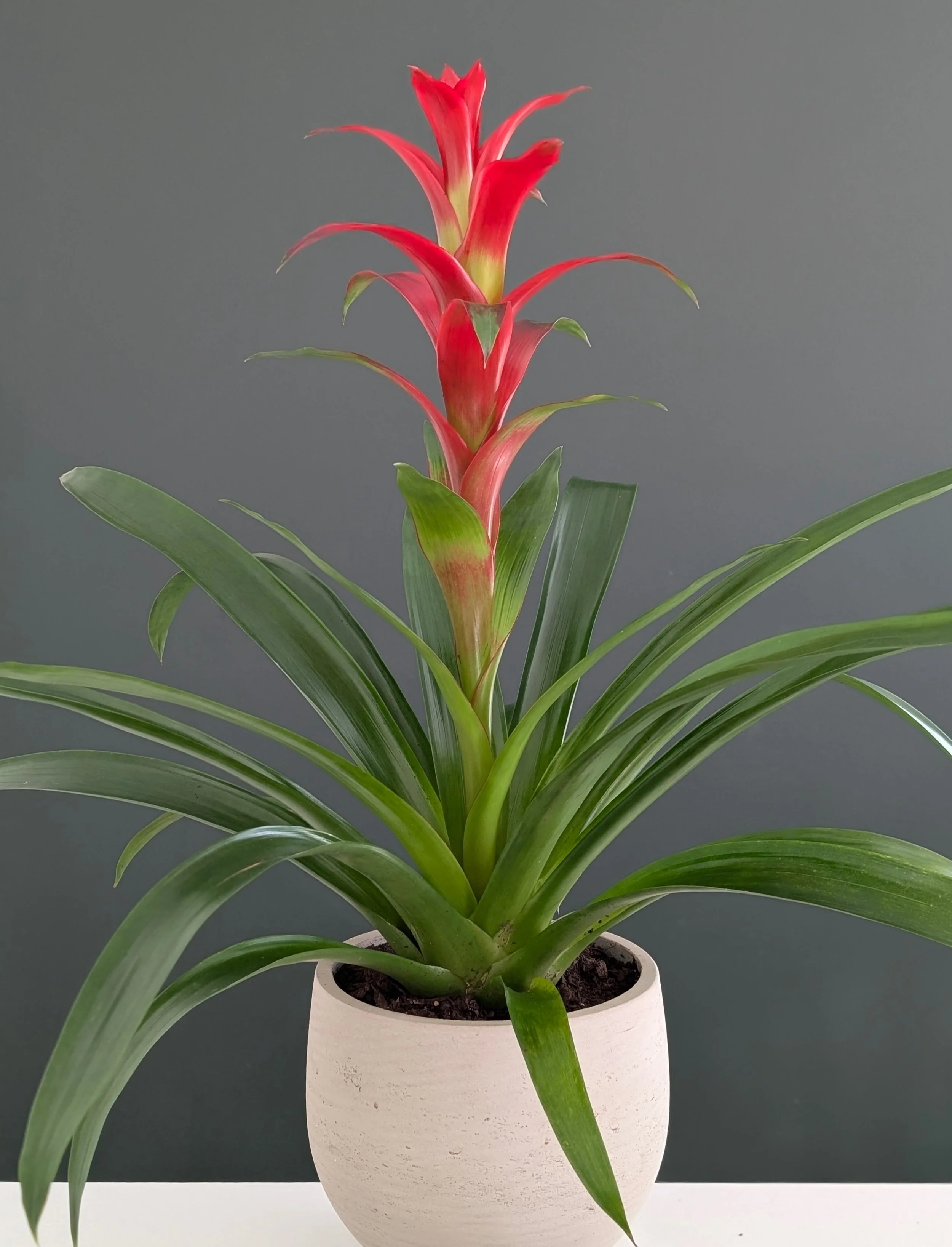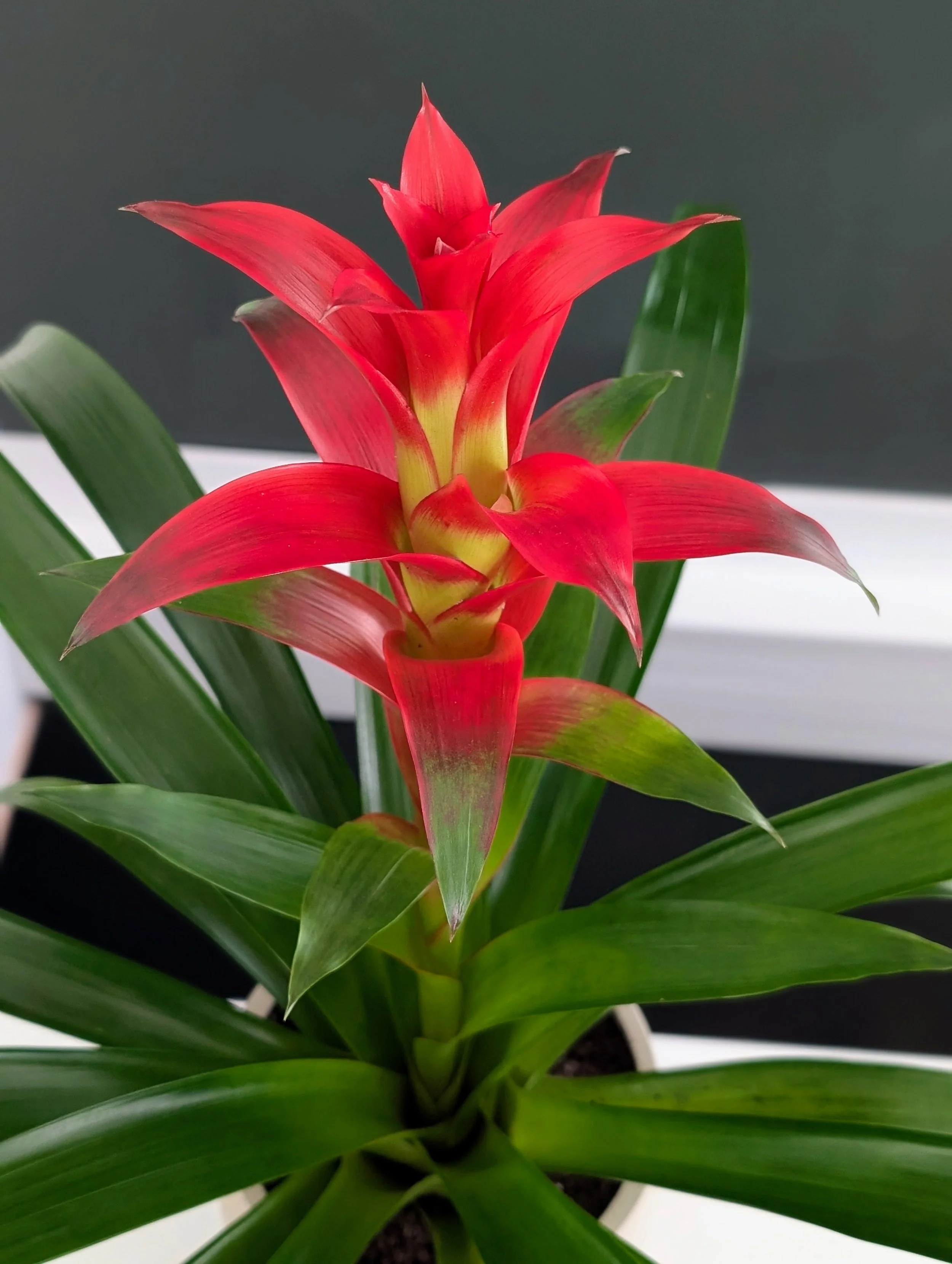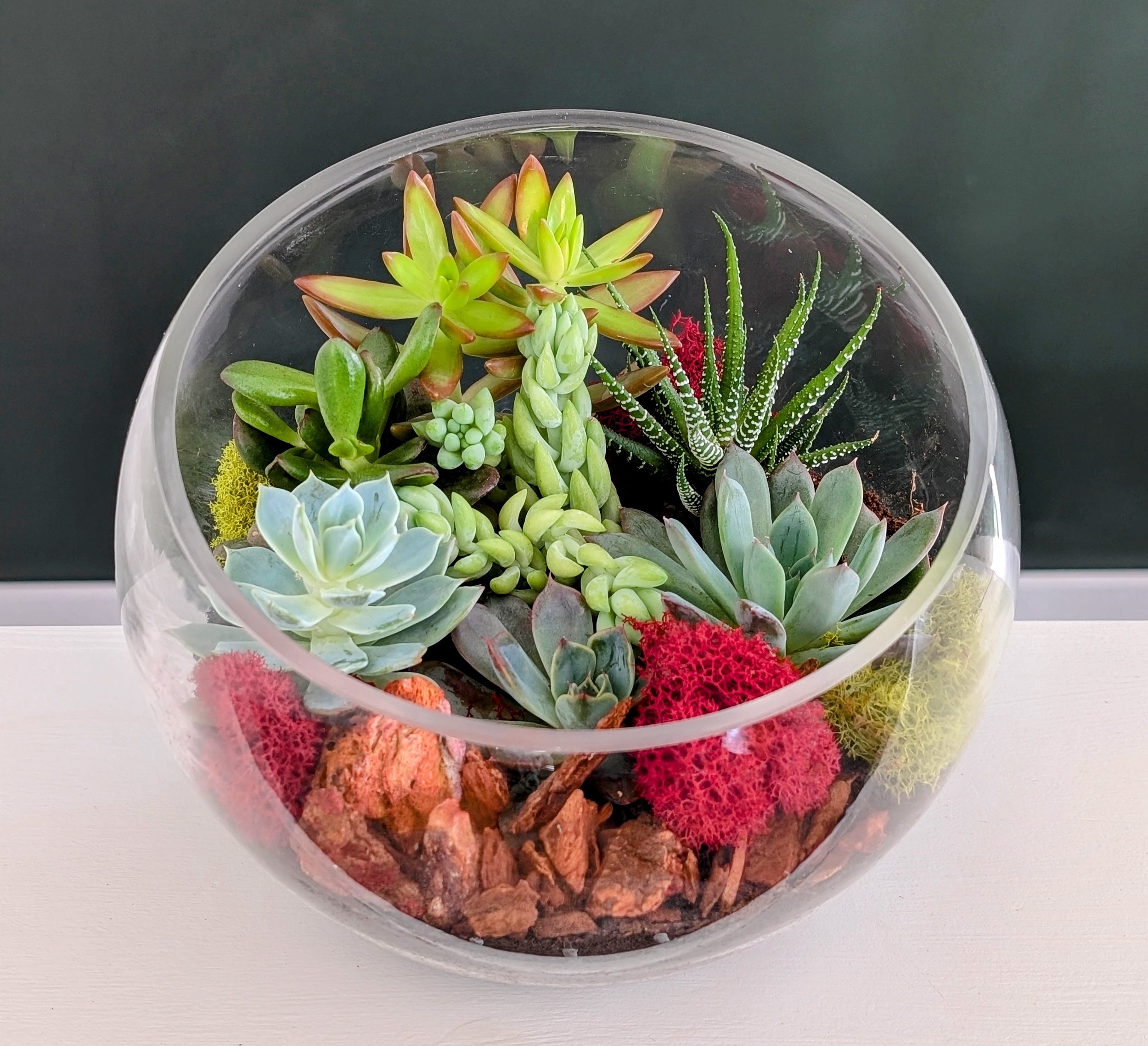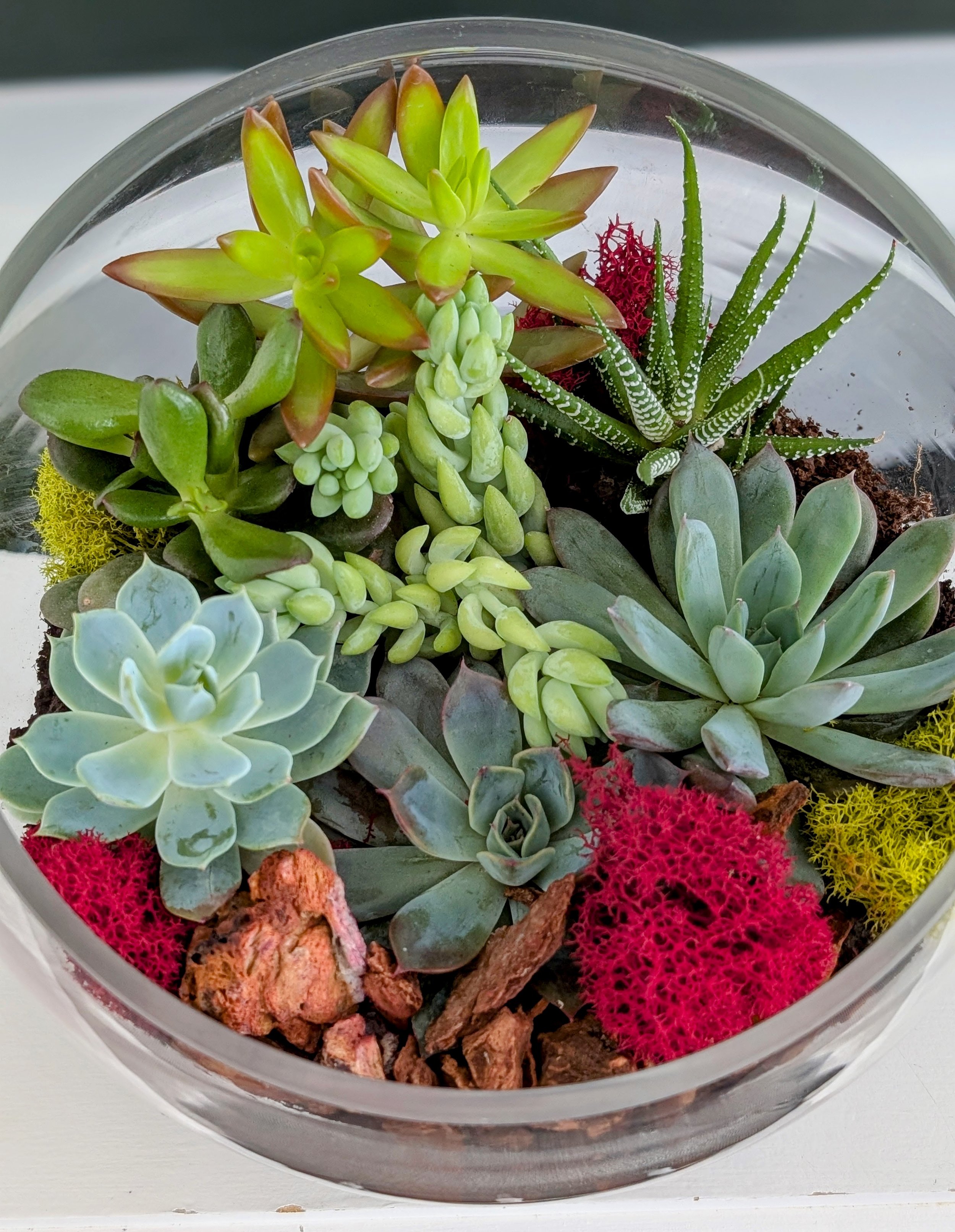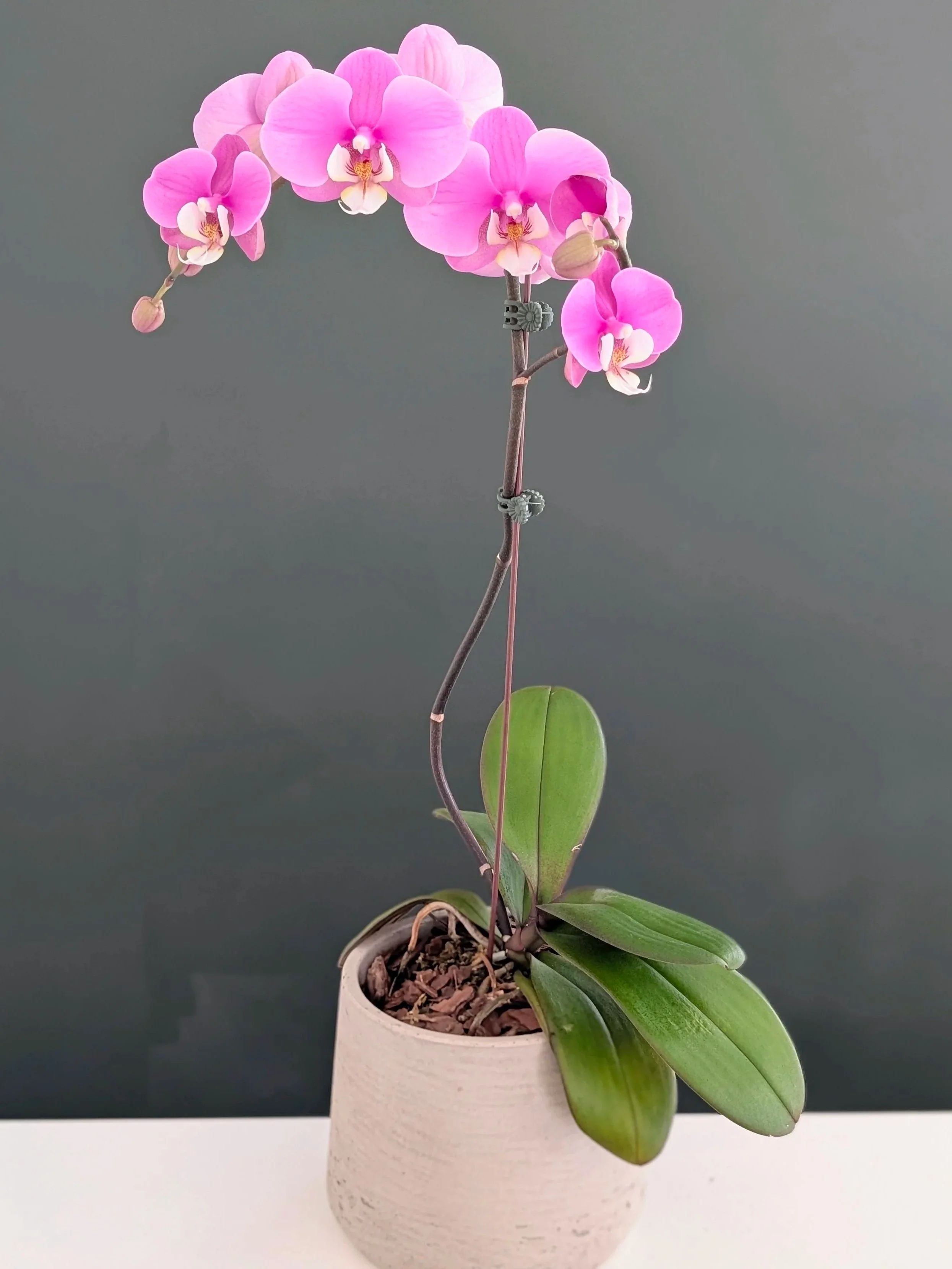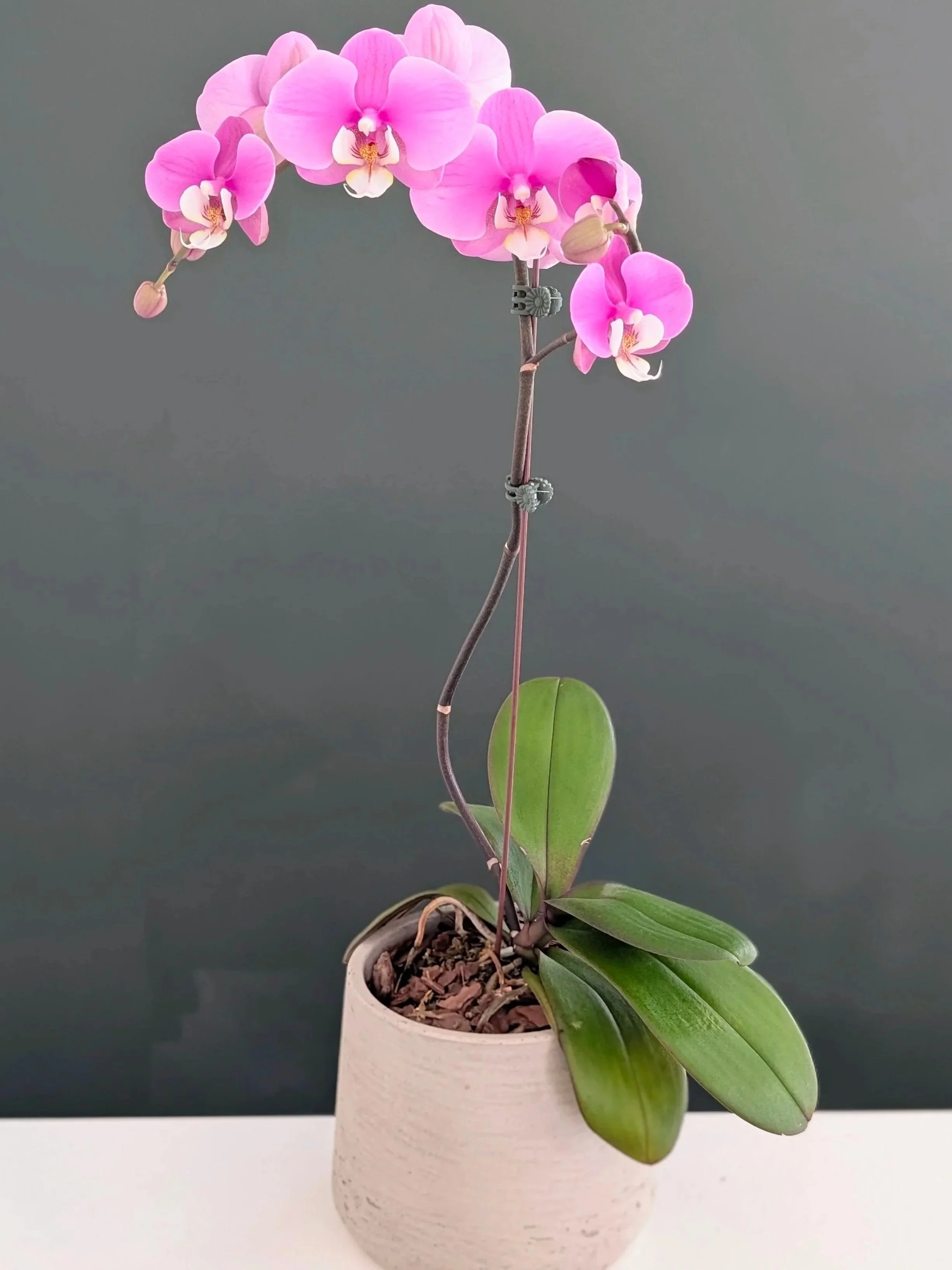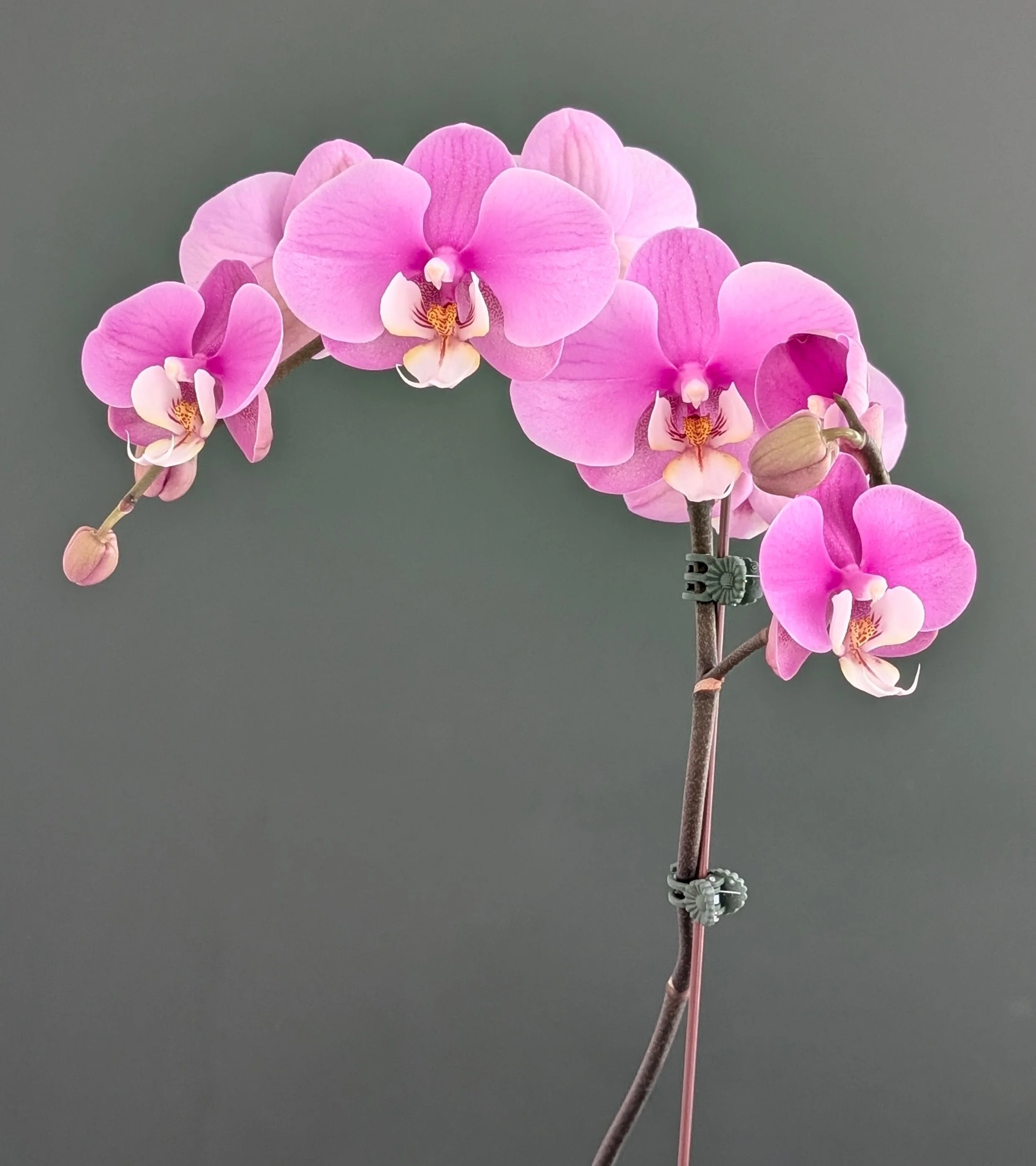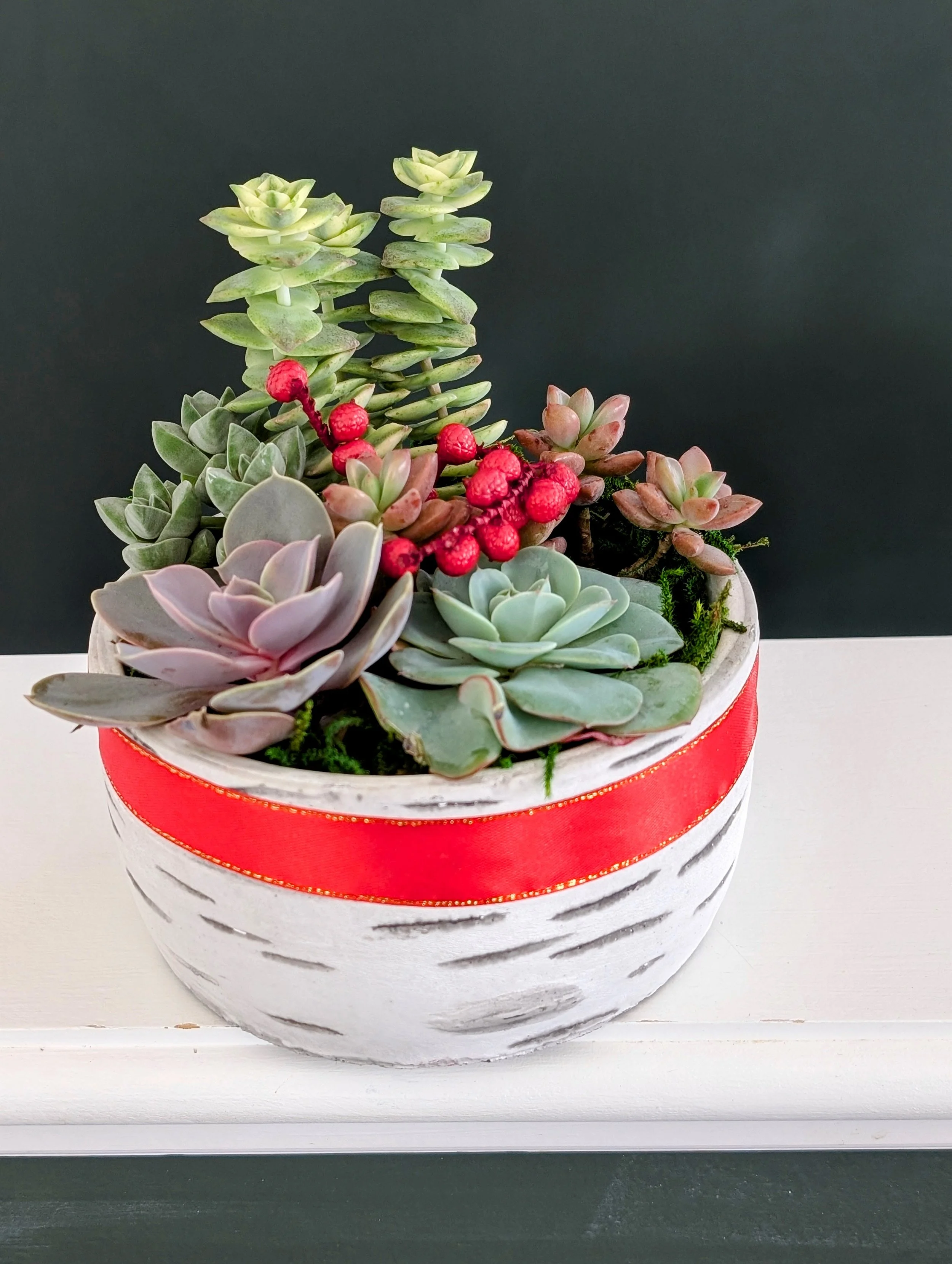

 Image 1 of 2
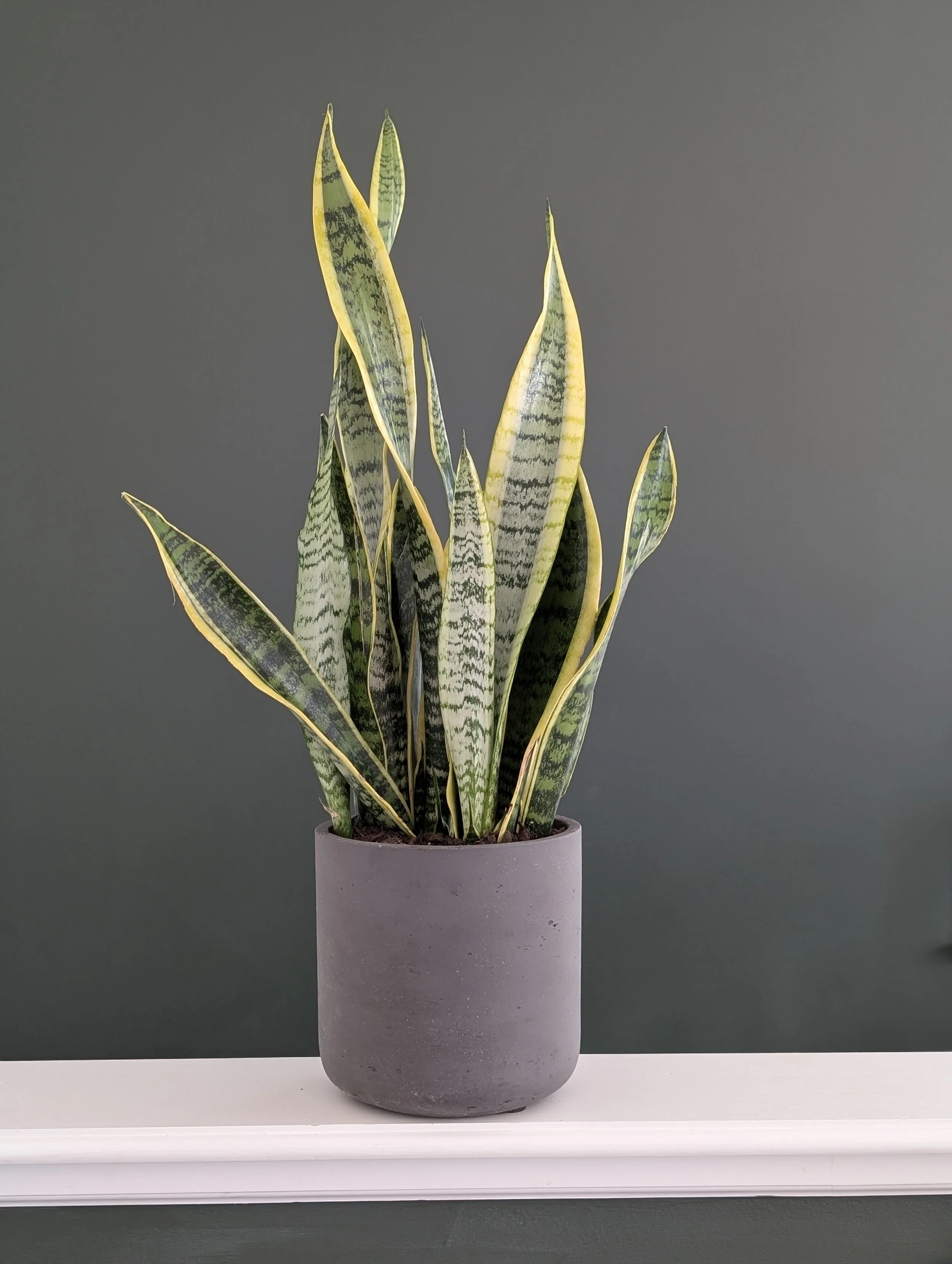 Image 2 of 2
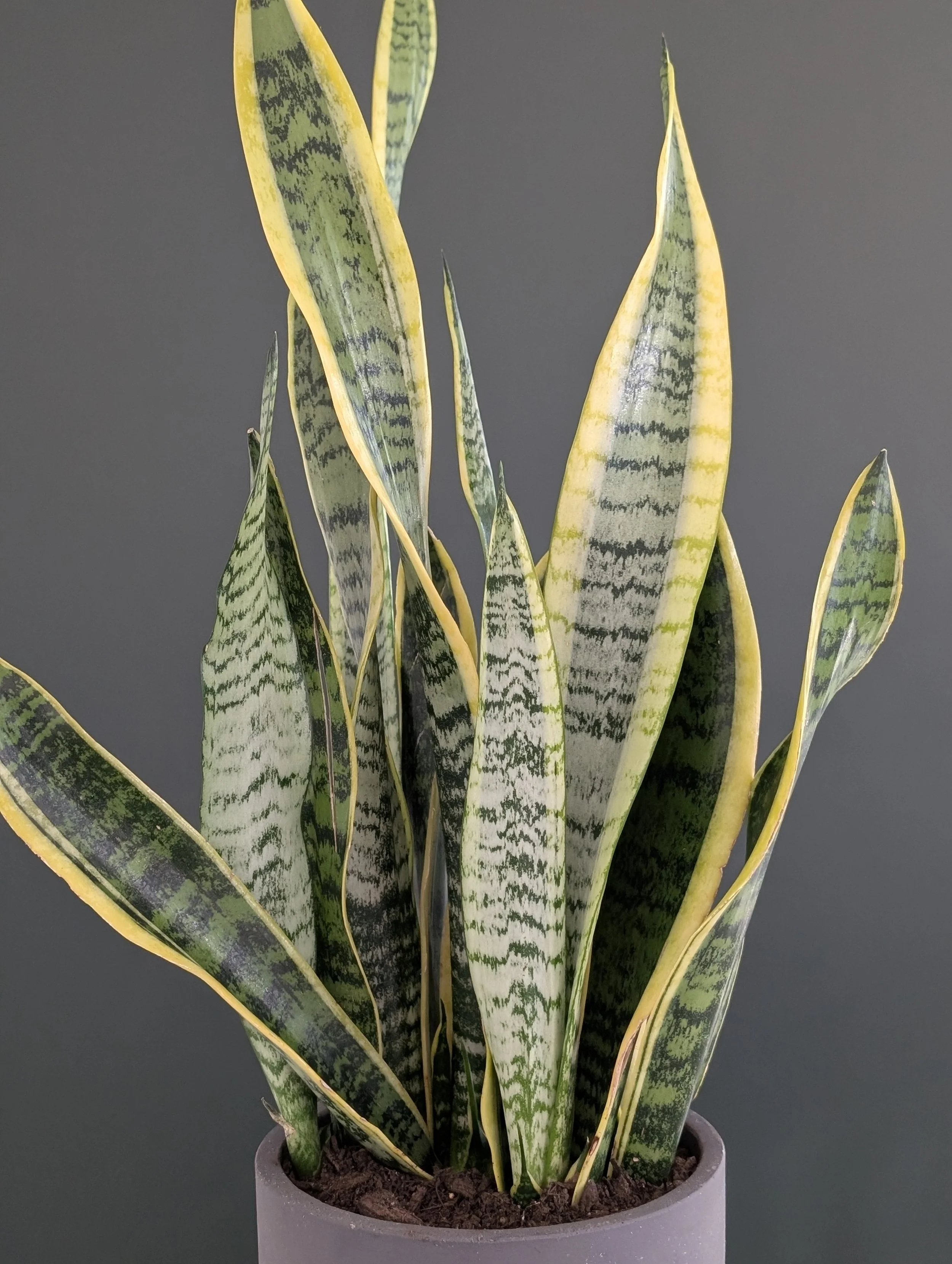
Dracaena Trifasciata (Snake Plant)
$75.00
Our snake plant arrives in a ceramic pot and is bedded in a mix of moss and decorative stones. This plant is ideal for beginners as it is durable, low-maintenance, and has a reputation for its air-purifying properties.
How to care for your snake plant:
Light
Bright, indirect light is best. Snake plants tolerate low light but will grow more slowly.
Avoid prolonged direct hot sun (especially through glass) which can scorch leaves.
Watering
Allow soil to dry out completely between waterings as overwatering can cause root rot.
Use the “finger test”: if the top 1–2 inches of soil are dry, it’s time to water.
Temperature & Humidity
Ideal temperature: 65–85°F (18–29°C). Do not expose to temperatures below 50°F (10°C).
Average household humidity is fine. Avoid very humid, poorly ventilated spots.
Placement Tips
Keep away from drafts, air vents, and open windows in winter.
Place where leaves won’t be bumped frequently; they are sturdy but can bruise.
Troubleshooting
Yellow, mushy leaves indicate overwatering/root rot—remove affected leaves and check roots; repot into fresh, dry soil if necessary.
Brown tips often indicate low humidity, fluoride/salt buildup, or inconsistent watering—trim tips and adjust care.
Our snake plant arrives in a ceramic pot and is bedded in a mix of moss and decorative stones. This plant is ideal for beginners as it is durable, low-maintenance, and has a reputation for its air-purifying properties.
How to care for your snake plant:
Light
Bright, indirect light is best. Snake plants tolerate low light but will grow more slowly.
Avoid prolonged direct hot sun (especially through glass) which can scorch leaves.
Watering
Allow soil to dry out completely between waterings as overwatering can cause root rot.
Use the “finger test”: if the top 1–2 inches of soil are dry, it’s time to water.
Temperature & Humidity
Ideal temperature: 65–85°F (18–29°C). Do not expose to temperatures below 50°F (10°C).
Average household humidity is fine. Avoid very humid, poorly ventilated spots.
Placement Tips
Keep away from drafts, air vents, and open windows in winter.
Place where leaves won’t be bumped frequently; they are sturdy but can bruise.
Troubleshooting
Yellow, mushy leaves indicate overwatering/root rot—remove affected leaves and check roots; repot into fresh, dry soil if necessary.
Brown tips often indicate low humidity, fluoride/salt buildup, or inconsistent watering—trim tips and adjust care.